Things to do in Barcelona
Barcelona is famed for Antoni Gaudí's architectural landmarks — the Sagrada Família, Park Güell, Casa Batlló and La Pedrera — alongside the medieval streets of the Barri Gòtic and the Mediterranean waterfront. Add a Palau de la Música or Basílica de la Mercè concert to complete the visit.
Our editors' pick of the ten sights to build a first visit around — with an evening concert to close the day:
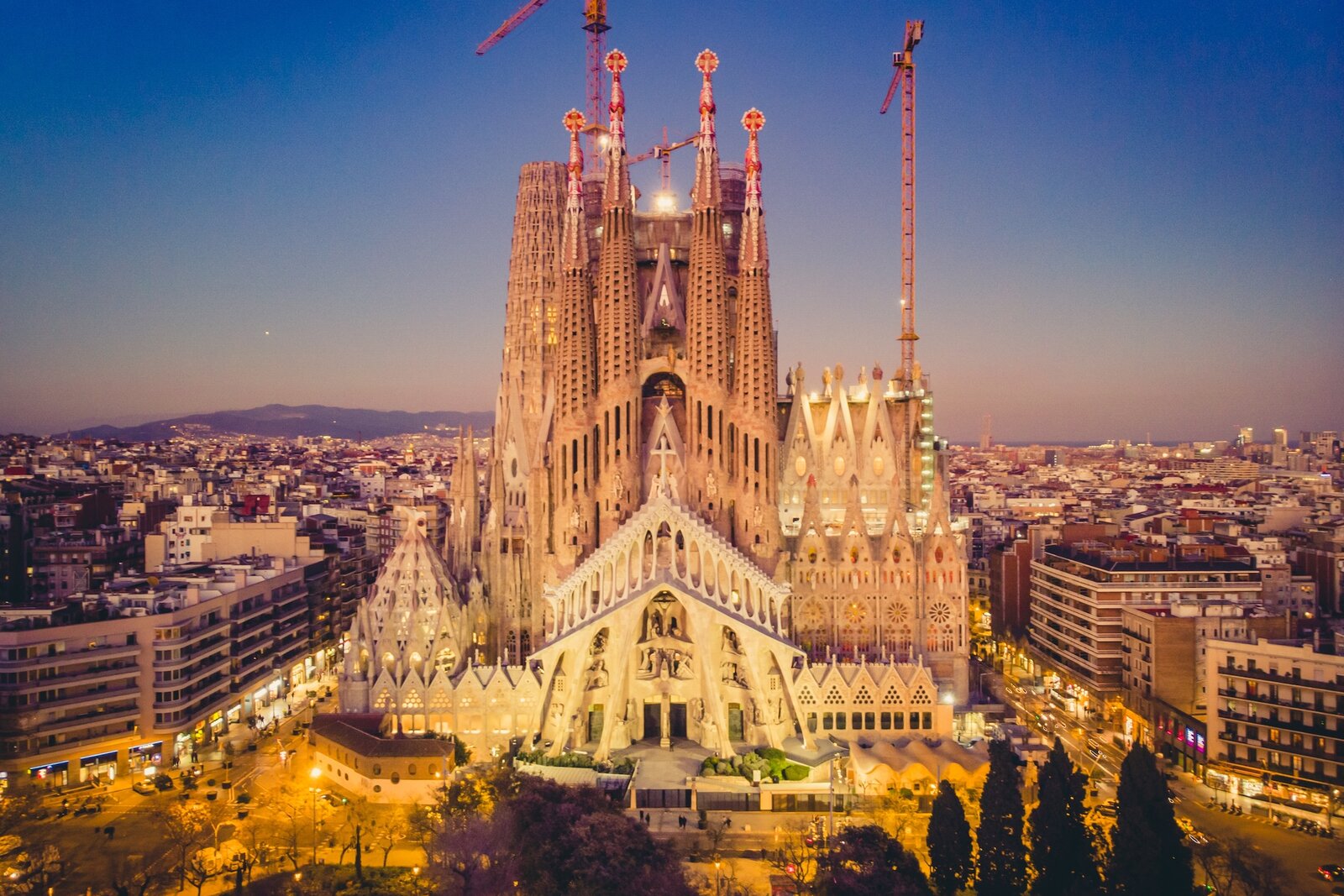
Sagrada Família
Antoni Gaudí worked on his basilica from 1883 until his death in 1926, and construction still continues today. The Nativity and Passion façades are extraordinary in their own right, but the interior is the revelation: the columns branch overhead like a stone forest, and stained glass throws pools of colour across the nave. Book a timed slot weeks ahead.
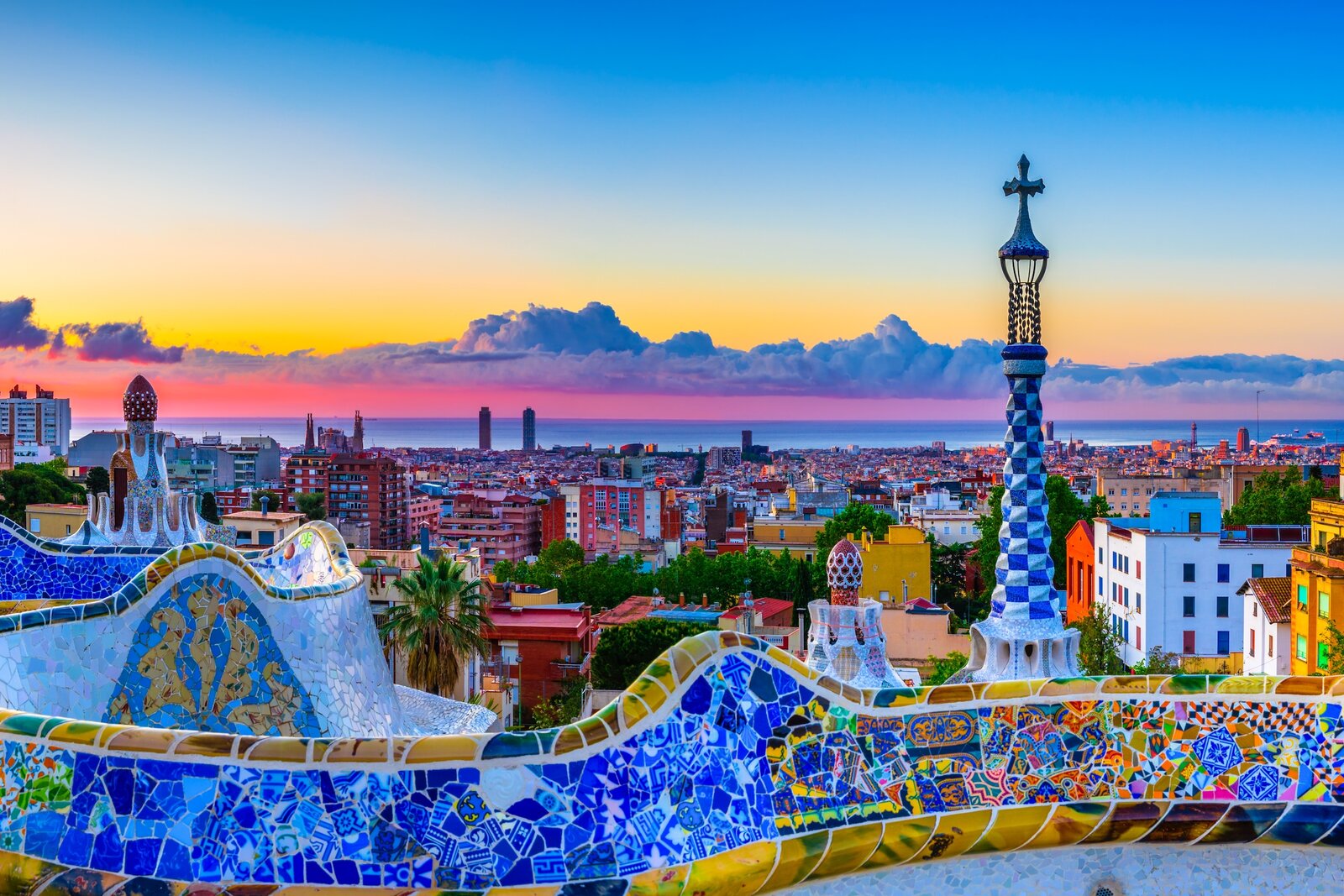
Park Güell
Gaudí's most playful project sits on Carmel Hill above the city — a garden of curving mosaic benches, gingerbread-house pavilions and the famous ceramic salamander guarding the terrace. The Monumental Zone requires a timed ticket; the surrounding woodland is free and worth wandering for views over Barcelona to the sea.
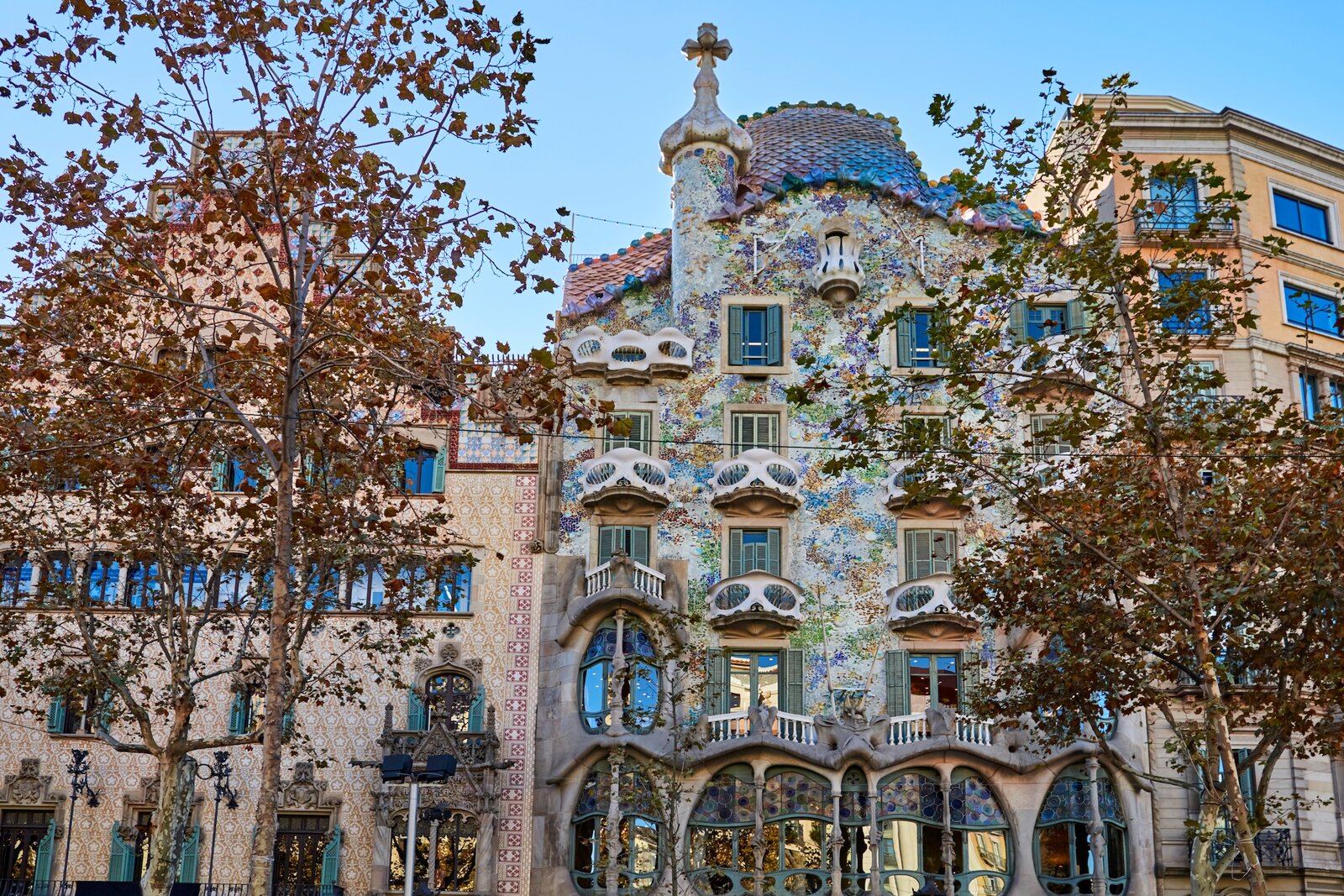
Casa Batlló
Gaudí's remodelling of a family townhouse in 1904 produced one of the strangest façades on the grand Passeig de Gràcia: bone-like columns, iridescent scales climbing to a dragon's-back roof. Inside, the light well is tiled from deep blue at the top down to white below, dissolving the sense that you are indoors at all.
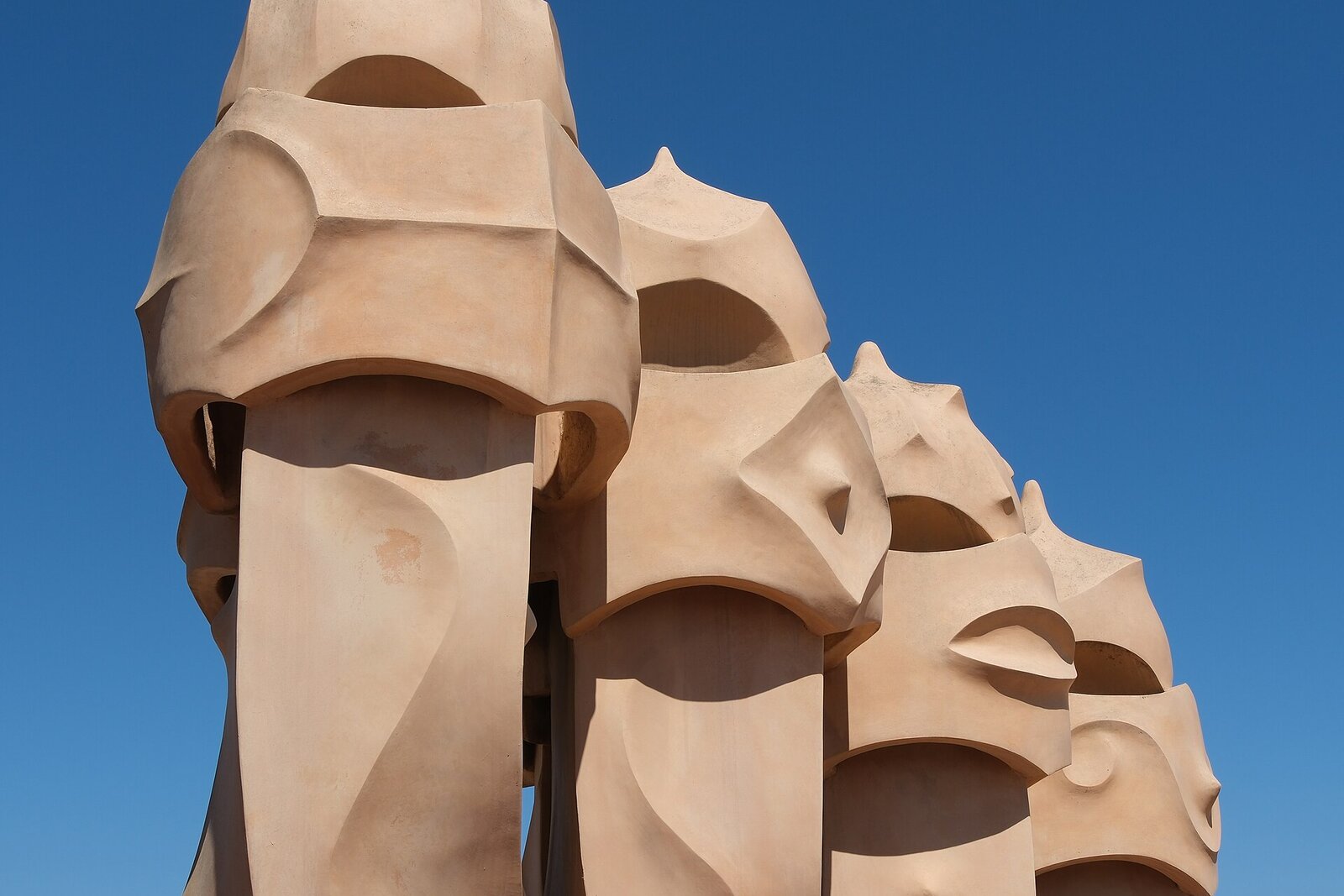
Casa Milà (La Pedrera)
Gaudí's last private commission, five minutes' walk from Casa Batlló, was so unusual that Barcelona quickly nicknamed it La Pedrera — 'the quarry'. Its wave-form stone façade has not a single straight line. The rooftop is the highlight: a landscape of warrior-helmet chimneys framing views of the Sagrada Família in the distance.
Barri Gòtic & Barcelona Cathedral
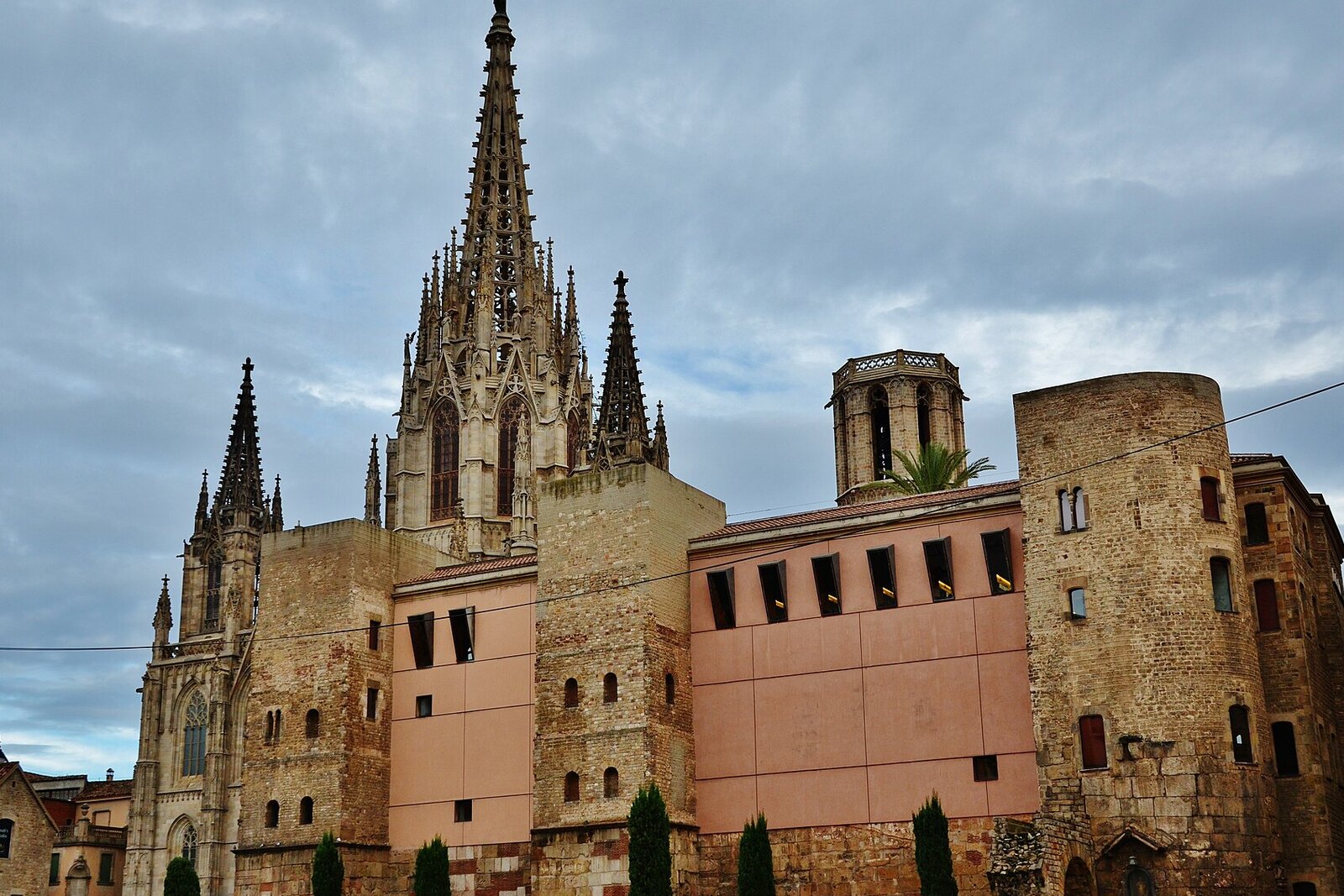
Barcelona's medieval quarter is a warren of narrow stone streets, Roman foundations and quiet cloistered squares. At its heart, the 14th-century Cathedral of Santa Eulàlia crowns a plaza where sardana dancers still gather on Sundays. Wander off the main streets to find Plaça del Pi, Plaça Sant Felip Neri and the Roman walls behind the Cathedral.
La Rambla & Mercat de la Boqueria
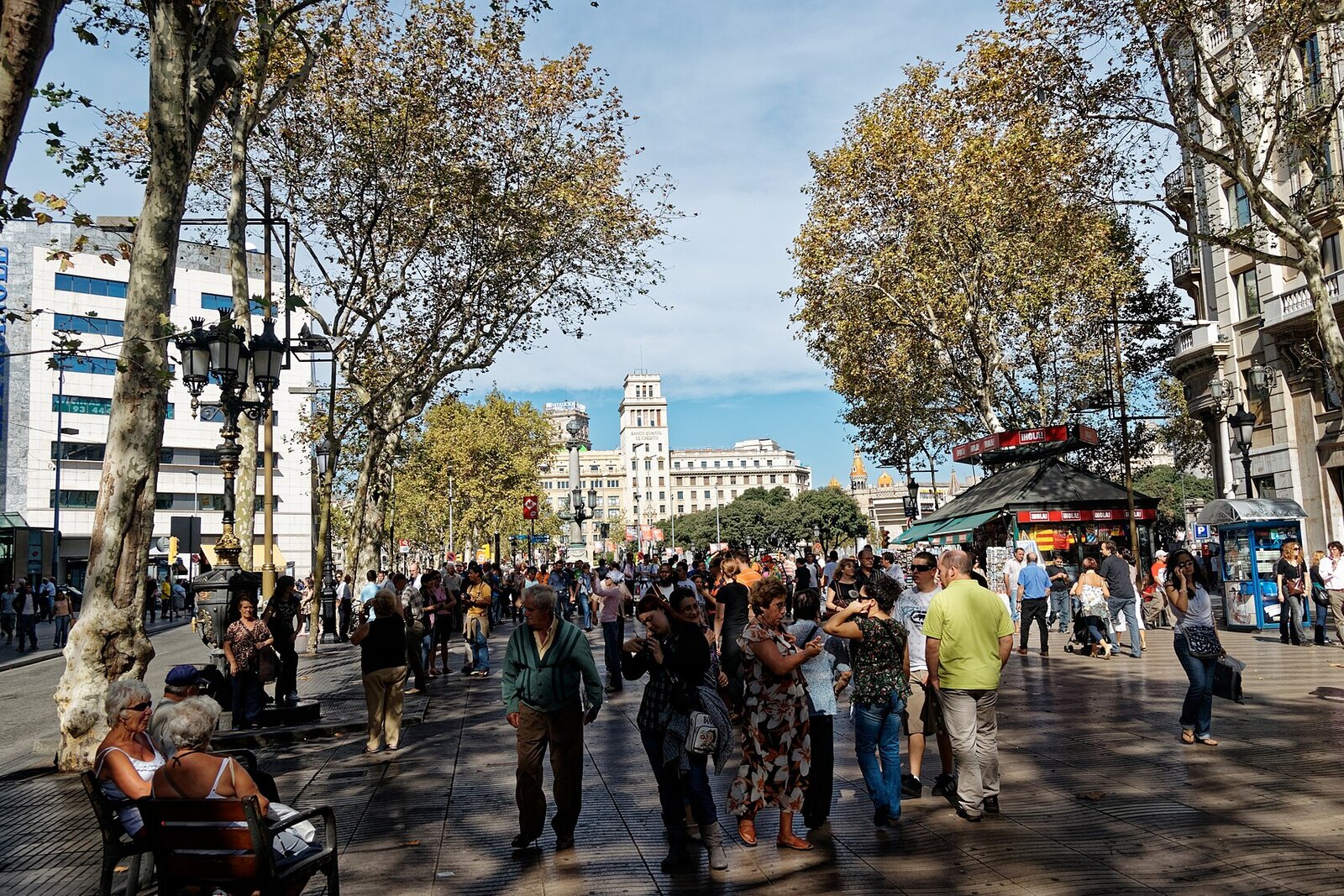
The plane-tree-lined boulevard runs from Plaça de Catalunya down to the harbour. Halfway along, the wrought-iron gates of the Boqueria market open onto centuries of Barcelona food culture: jamón ibérico, fresh fish from the Mediterranean, seasonal fruit, chocolate. Grab a counter seat at one of the tapas bars inside for the freshest bite in town.
Montjuïc & Magic Fountain
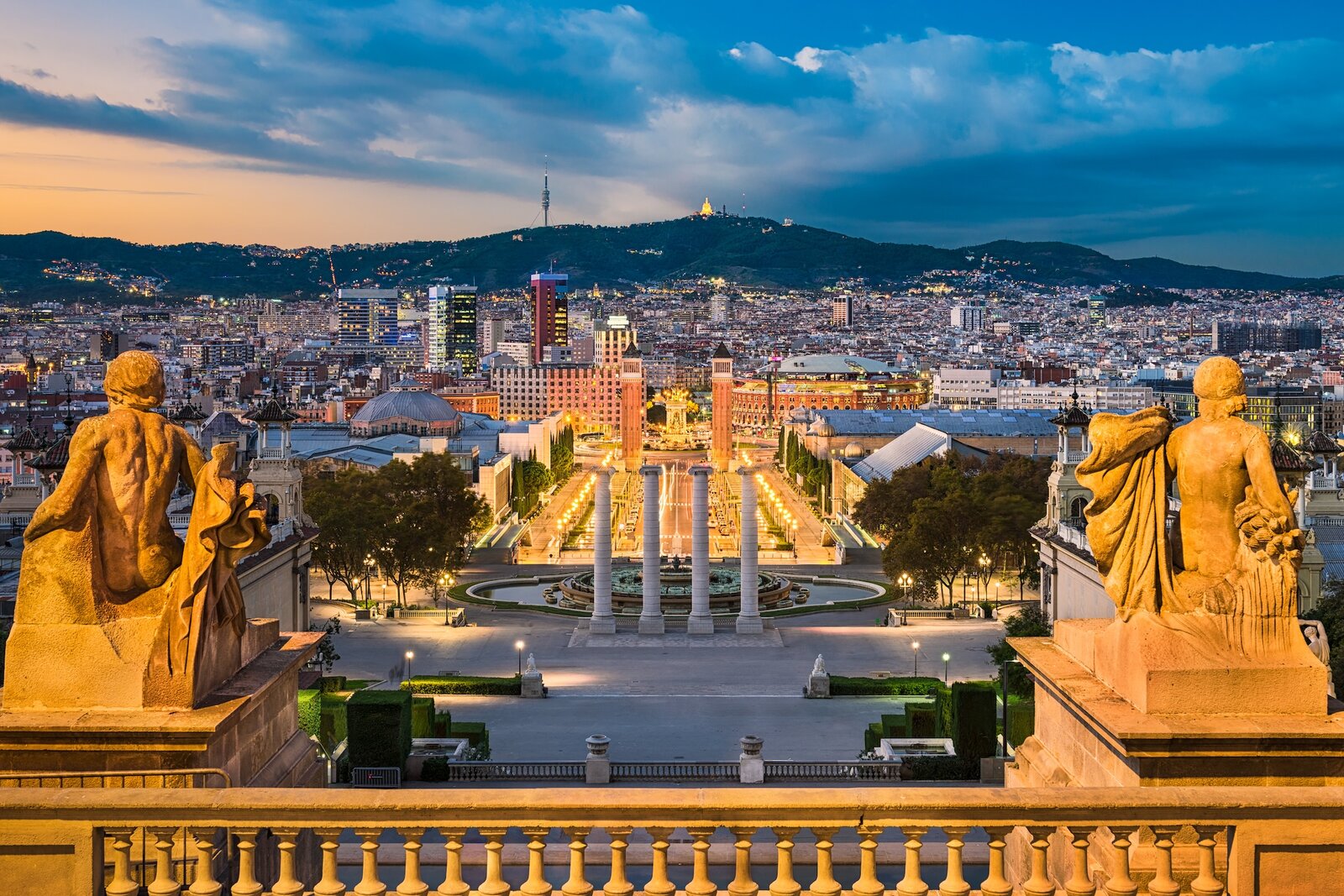
The hill overlooking the port carries a 17th-century castle, the Palau Nacional (housing the MNAC museum of Catalan art), the 1929 Universal Exhibition grounds and the Olympic stadium. In summer, the Magic Fountain at the foot of the Palau puts on a synchronised music, light and water show — an old-fashioned civic spectacle.
El Born & Picasso Museum
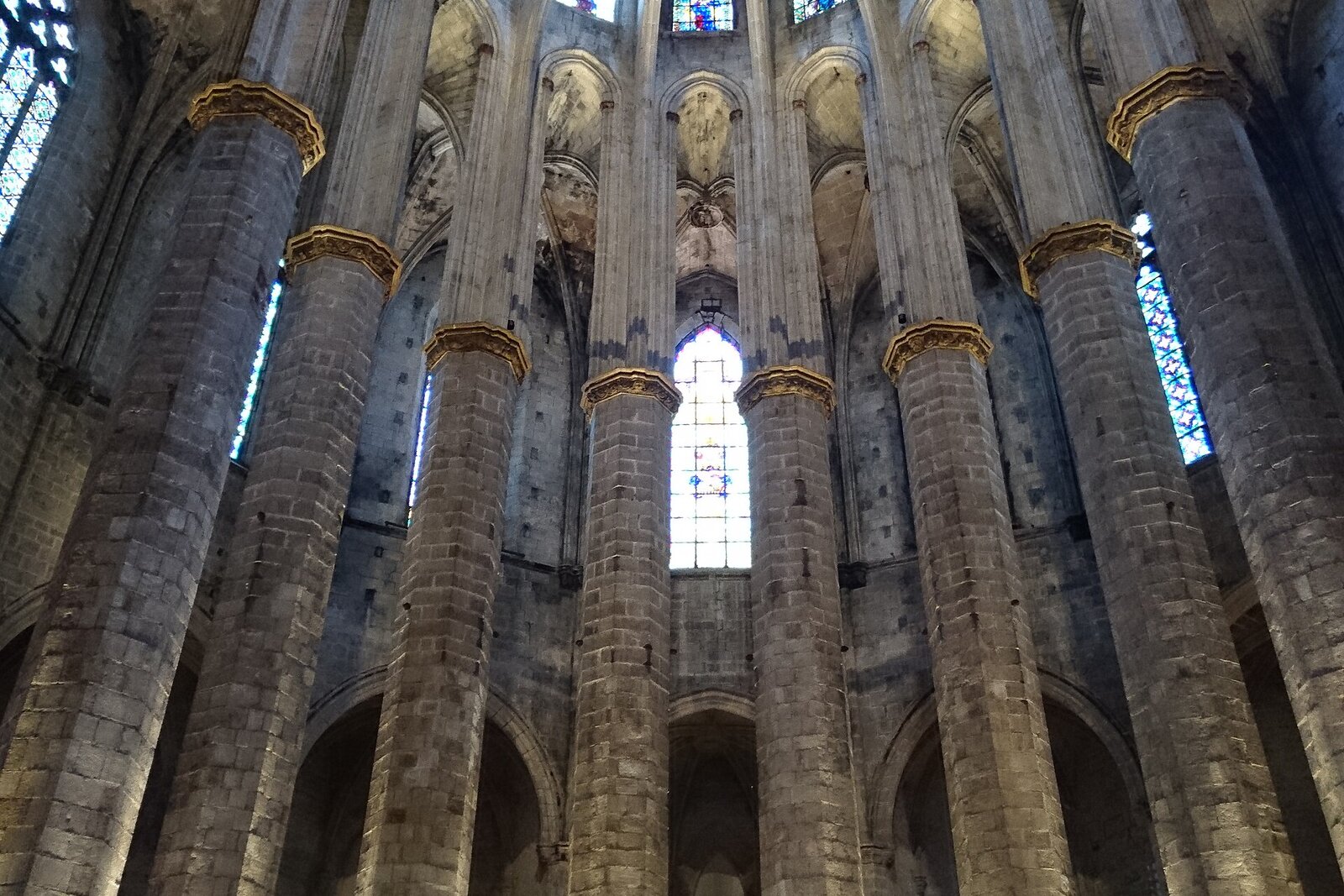
The El Born district, tucked beside the Gothic Quarter, mixes medieval streets with cocktail bars and small boutiques. The Picasso Museum spreads across five adjoining palaces on Carrer de Montcada and traces Picasso's formative years in Barcelona through more than 4,000 works. Nearby stands the 14th-century Santa Maria del Mar, an unusually pure Catalan Gothic basilica.
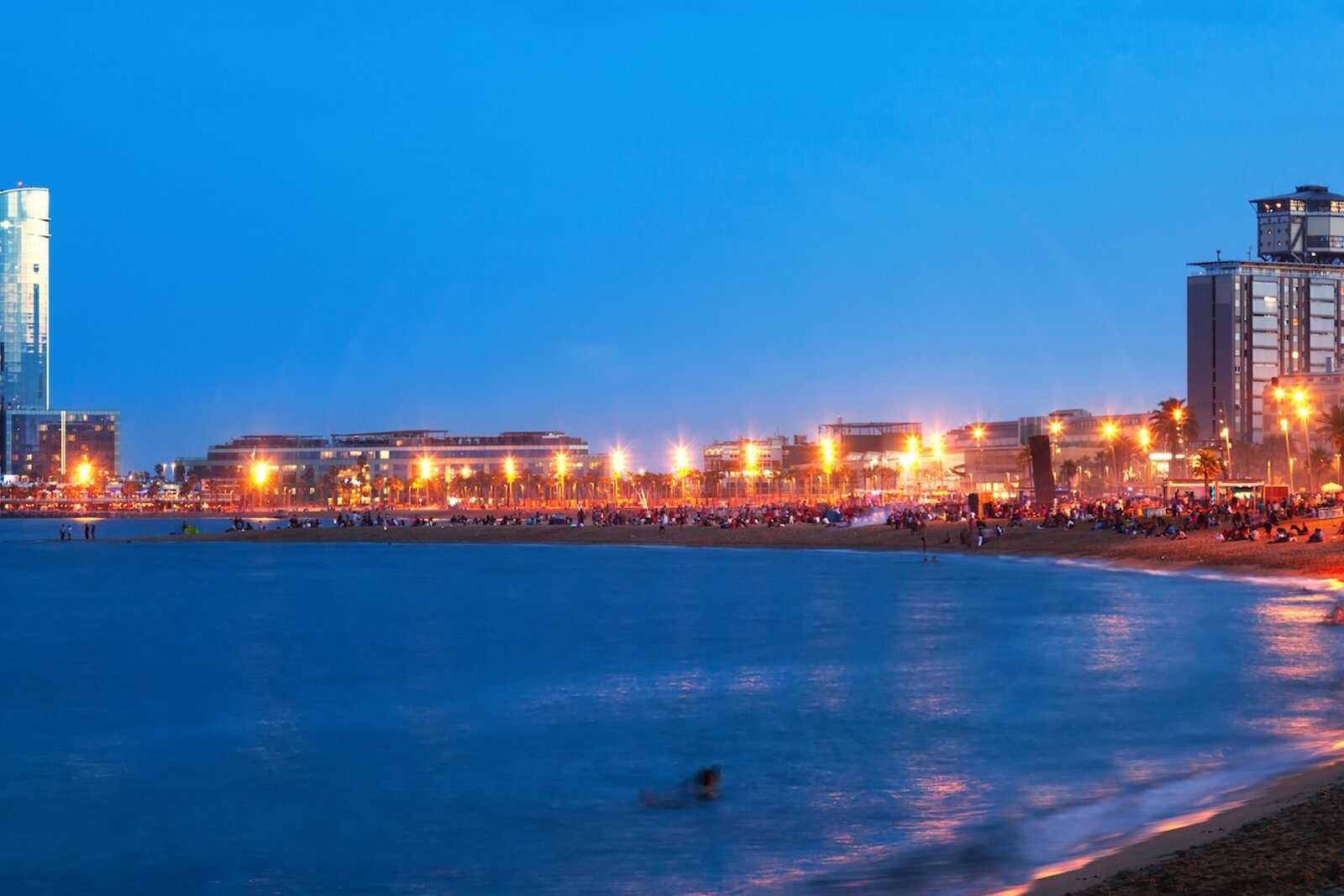
Barceloneta & Port Vell
The old fishermen's quarter runs down to Barcelona's most-used city beach. The promenade along the Passeig Marítim links the marina at Port Vell with the beaches of the northeast. Old chiringuito kiosks and modern seafood restaurants line the sand — arrive late afternoon, walk the boardwalk, then stay for paella at sunset.
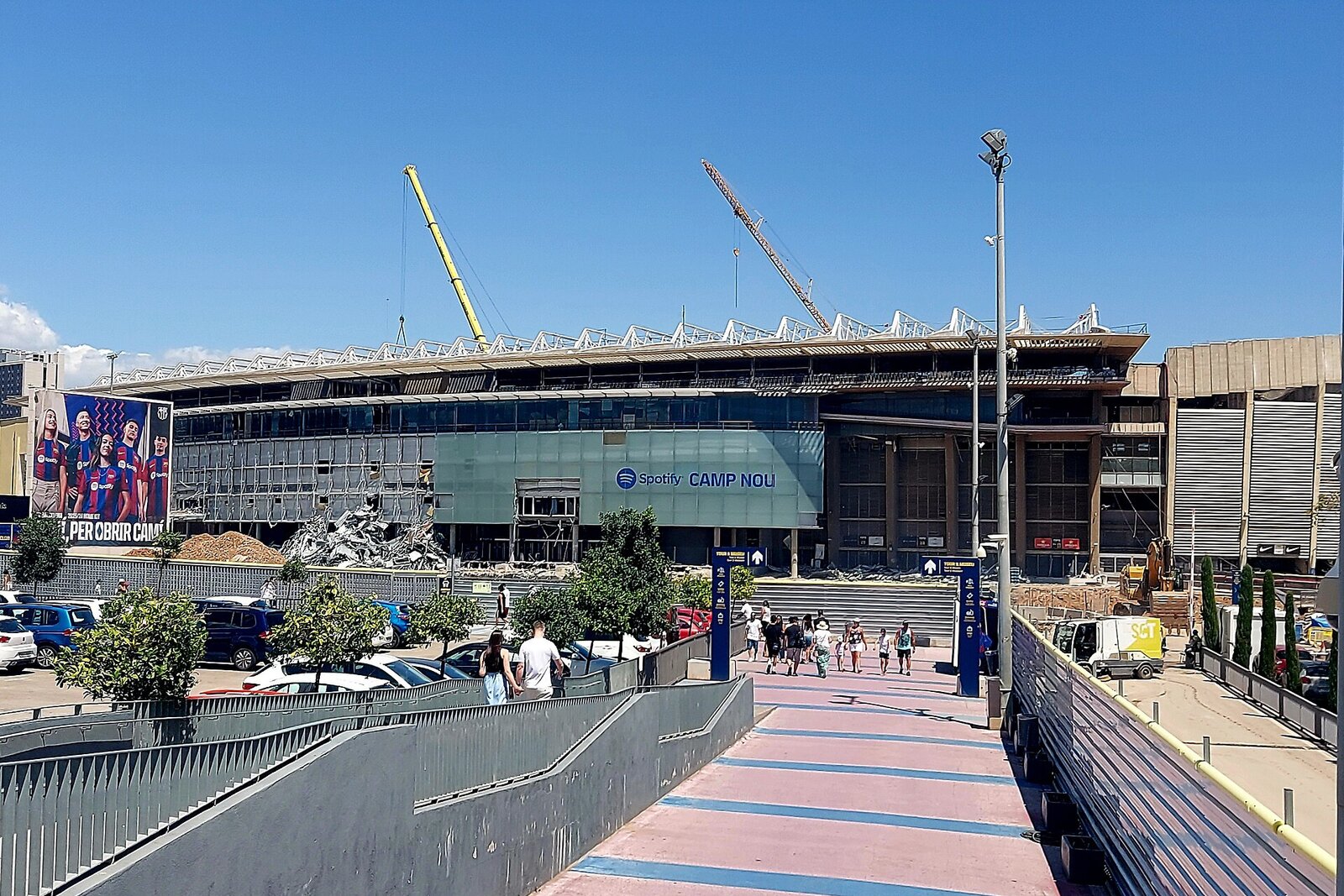
Camp Nou (Spotify Camp Nou)
FC Barcelona's home stadium — currently being rebuilt under the Spotify Camp Nou name — is a pilgrimage for football fans. The tour walks you through the changing rooms, press area, tunnel and pitch-side view; the museum traces the club's history from 1899 and its identity as 'més que un club'. Check the reopening schedule before you book.